My Cart - 0 item(s)
 0 item(s)
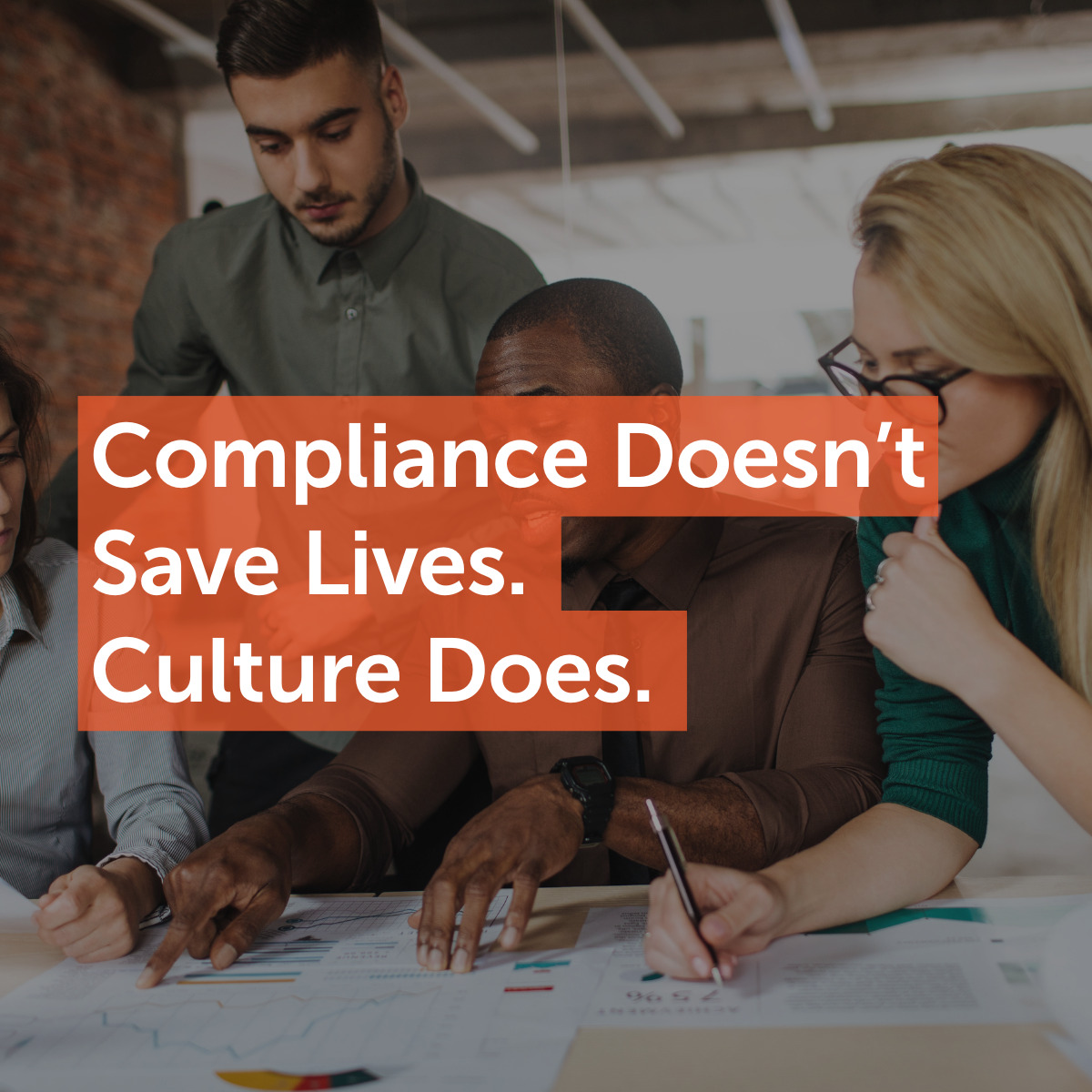
Compliance Doesn’t Save Lives. Culture Does.
The Legal Baseline
The Occupational Health and Safety Act 85 of 1993 (as amended) sets out critical responsibilities:
- Section 8: Employers must identify hazards, implement precautionary measures, and ensure safe systems of work.
- Section 14: Employees must cooperate, follow safety rules, and avoid endangering themselves or others.
- Section 19: Safety committees must be established in workplaces with more than 20 employees, ensuring consultation and representation.
Recent amendments and proposed updates such as regulations on noise exposure, physical agents, and enhanced risk management show that the law continues to evolve to meet modern workplace realities.
Why Culture Matters More
Compliance is the minimum standard. Culture is the multiplier.
- A checklist won’t stop a worker from cutting corners if leadership tolerates it.
- A regulation won’t prevent burnout if wellness isn’t embedded in daily routines.
- A safety committee becomes powerful only when it’s treated as a voice for people, not paperwork.
When safety becomes part of the shared values, behaviors, and leadership practices of a workplace, compliance transforms into protection.
If you’re a business leader, ask yourself:
1. Do my teams see safety as a rule or as a value?
2. Are risk assessments living documents or is it files gathering dust?
3. Does my leadership model care or just compliance?
The OHS Act gives us the framework. Culture gives us the impact.
Let’s build workplaces where safety isn’t just a legal requirement it’s a lived reality.
Found out more about the training we offer...